As your pet ages, it’s crucial to recognize the signs of joint pain. You might notice them hesitating to jump or showing less interest in play. Limping and stiffness after resting can be subtle indicators of discomfort. These changes can significantly affect their well-being. Understanding these signs will help you provide better care for your senior companion, but there’s more to consider when it comes to their health and comfort.
Physical Symptoms of Joint Pain in Senior Pets
As your senior pet ages, you might notice subtle changes that signal joint pain. They may start to move more slowly, hesitating before jumping or climbing stairs.
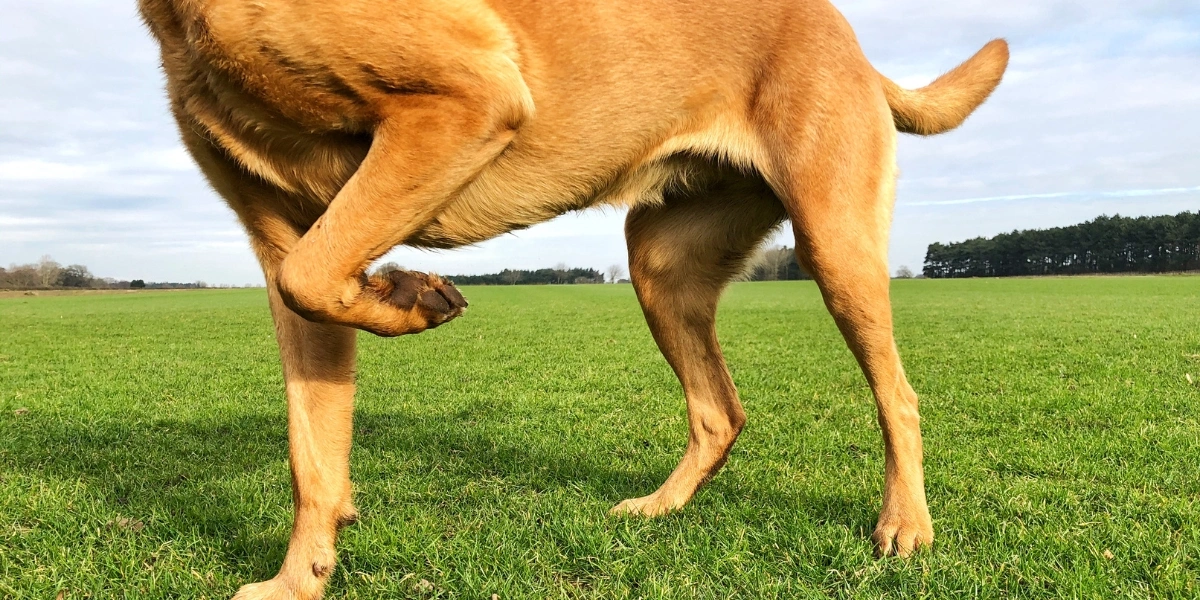
You might see them avoiding certain activities they once loved, like running or playing. Watch for limping or stiffness, especially after resting.
They could also be reluctant to be touched, particularly around their legs or joints. You might find them sleeping more than usual or struggling to get comfortable.
Changes in posture, like sitting differently or favoring a limb, can also indicate discomfort. Pay attention to these physical symptoms, as they can help you understand your pet’s needs and improve their quality of life.
Identifying Signs of Joint Pain in Senior Pets
How can you tell if your senior pet is suffering from joint pain? Look for changes in behavior and mobility. If your pet hesitates to jump or climb stairs, it might indicate discomfort.
Notice if they seem less eager to play or go for walks; reluctance can be a major sign. Pay attention to their posture—are they sitting or lying down differently?
You might observe them licking or chewing specific joints or exhibiting stiffness after resting. Watch for unusual vocalizations, like whimpering or growling, especially when they’re touched.
Finally, keep an eye on their weight; pets in pain often become less active, leading to weight gain. Recognizing these signs early can help you address their needs effectively.
Why Does Your Senior Pet Need Regular Vet Visits?
Regular vet visits are essential for your senior pet’s health, especially since they face unique challenges as they age. As pets grow older, they’re more susceptible to health issues like arthritis, dental problems, and organ dysfunction.
Regular check-ups allow your vet to detect these issues early, giving your pet a better chance for effective treatment. Routine examinations also provide an opportunity for vaccinations, parasite control, and dietary advice tailored to your senior pet’s needs.
Additionally, your vet can assess your pet’s mobility and pain levels, ensuring they maintain a good quality of life. By prioritizing these visits, you’re not just keeping up with their health; you’re enhancing their comfort and longevity.
Don’t wait—schedule that appointment today!
Best Treatments for Joint Pain in Senior Pets
When your senior pet shows signs of joint pain, timely intervention can significantly improve their quality of life. Start by consulting your veterinarian for a proper diagnosis and treatment plan.
They might recommend pain relief medications like NSAIDs, which can ease inflammation and discomfort. Joint supplements containing glucosamine and chondroitin can also support cartilage health.
In addition, consider physical therapy or acupuncture to enhance mobility and reduce pain.
Weight management is crucial; keeping your pet at a healthy weight can lessen stress on their joints.
Lastly, provide a comfortable environment with soft bedding and easy access to food and water. These steps can help your furry friend live more comfortably and happily in their golden years.
Conclusion
In conclusion, keeping an eye out for signs of joint pain in your senior pet is crucial. By recognizing symptoms like limping or reluctance to play, you can help them maintain a better quality of life. Regular vet visits ensure early detection and effective management, allowing your furry companion to stay comfortable and active. Don’t hesitate to seek treatment options that can relieve their discomfort and enhance their daily experiences. Your pet deserves the best care!