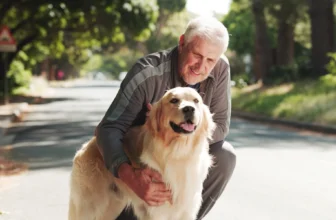

As your pet ages, their needs shift in ways you might not expect. You’ll want to focus on comfort, nutrition, and health checks to support their well-being. Understanding these essentials can make a significant difference in their quality of life. What specific adjustments should you consider for their diet? And how can you ensure they stay active without risking injury? The answers might surprise you.
What Do Senior Pets Really Need?
As pets age, their needs change significantly, so it’s crucial to understand what they require to thrive.
Senior pets often need more comfortable resting areas to ease joint pain and promote better sleep. You’ll want to ensure their environment is safe and easy to navigate, reducing the risk of falls or injuries.
Regular veterinary check-ups become essential, as they help catch health issues early.
Additionally, mental stimulation is vital; consider engaging toys or gentle training sessions to keep their minds sharp.
Lastly, your senior pet may seek more affection and companionship, so spending quality time together can greatly enhance their emotional well-being.
Meeting these needs helps your beloved companion enjoy their golden years.
Dietary Adjustments for Senior Pet Care
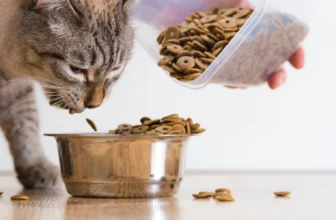
When your pet reaches their senior years, adjusting their diet becomes essential to support their changing needs. Older pets often require fewer calories but more nutrients, so consider switching to a high-quality, age-appropriate food.
Look for formulas rich in protein to maintain muscle mass and tailored to promote joint health. Adding omega-3 fatty acids can help reduce inflammation, while fiber aids digestion.
Keep an eye on their water intake, as hydration is crucial. You might also need to monitor their weight closely, adjusting portions as necessary.
If your pet has specific health issues, consult your vet for personalized dietary recommendations. Small, frequent meals can make eating easier for them, ensuring they get the nutrition they need without overwhelming their system.
Why Regular Vet Visits Matter for Senior Pets
Regular vet visits are crucial for keeping senior pets healthy and happy. As your pet ages, they become more susceptible to various health issues, including arthritis, dental disease, and organ dysfunction.
Regular check-ups allow your vet to catch these problems early, ensuring timely intervention. During these visits, your vet can also monitor your pet’s weight, adjust medications, and recommend dietary changes specific to their needs.
Additionally, routine vaccinations and screenings keep your pet protected from preventable diseases. These visits provide you with valuable insights and advice tailored to your senior pet’s changing needs.
How to Exercise Senior Pets Safely?
Exercising senior pets can be a rewarding experience, but it’s essential to approach it with care. Start with short, gentle walks to gauge their stamina and comfort.
Choose soft surfaces, like grass, to minimize joint strain. Pay attention to their breathing and energy levels; if they seem tired or pant excessively, it’s time to take a break.
Incorporate light play, like tossing a soft toy, but avoid high-impact activities that could lead to injury. Always keep fresh water available to keep them hydrated.
Consider low-impact exercises like swimming or gentle stretching to maintain flexibility. Regularly consult your vet for tailored advice, ensuring your furry friend stays active and healthy while enjoying their golden years.
Conclusion
Caring for your senior pet means paying attention to their unique needs. By adjusting their diet, scheduling regular vet visits, and ensuring safe exercise, you’re helping them enjoy their golden years. Create a cozy living space and provide plenty of love and mental stimulation to keep their spirits high. Remember, the little things you do can make a big difference in their comfort and happiness. Cherish every moment with your furry friend—they deserve it!
Trending Products