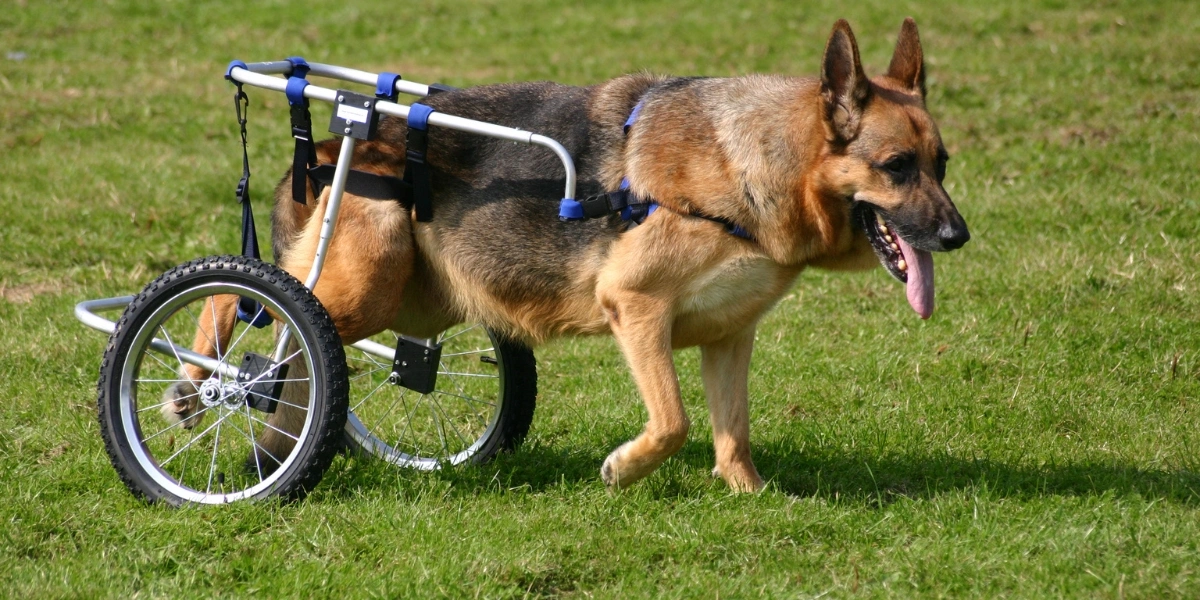
As your dog ages, mobility challenges can become a real concern. You might be wondering which aids can help them maintain their independence and comfort. Harnesses, wheelchairs, and ramps each offer unique benefits, but choosing the right one can be tricky. Understanding your dog’s specific needs is crucial. Let’s explore the options and find out how you can enhance your furry friend’s quality of life.
Why Mobility Aids Matter for Senior Dogs
As dogs age, their mobility often declines, which can significantly affect their quality of life. You might notice your furry friend struggling to get up, walk, or climb stairs. This decline can lead to frustration, anxiety, and a lack of engagement in activities they once loved.
By using mobility aids, you can help your senior dog regain some independence and comfort. These aids not only enhance their physical capabilities but also encourage mental stimulation and social interaction. Providing support allows them to explore their surroundings and maintain a sense of normalcy.
When you invest in mobility aids, you’re not just improving their ability to move; you’re enriching their overall well-being and happiness. Your dog deserves every chance to enjoy life fully.
Types of Mobility Aids for Senior Dogs
Finding the right mobility aids can make a world of difference for your senior dog. Various options are available to help improve their mobility and quality of life.
Harnesses with support handles can assist you in lifting your dog or providing extra stability during walks. Wheelchairs specifically designed for dogs allow them to regain independence, enabling them to move comfortably.
Slings can also provide support for dogs struggling to stand or walk, especially after surgery or injury. For those with joint issues, ramps make it easier for your dog to access cars or furniture.
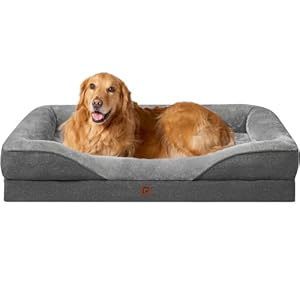
Lastly, orthopedic beds help alleviate discomfort, ensuring your dog has a cozy place to rest. With the right aids, your furry friend can enjoy life to the fullest.
Choosing the Best Mobility Aid for Your Senior Dog
First, assess your dog’s specific needs, like their mobility level and weight. If they struggle to walk, a harness or wheelchair might be beneficial. Look for options that provide support without restricting movement.
Next, think about comfort; padded harnesses can prevent chafing and irritation. Also, consider your dog’s size and breed, as some aids are designed for larger or smaller dogs.
Finally, check reviews and consult your vet for recommendations tailored to your dog’s health.
How to Help Your Senior Dog Adapt to Mobility Aids?
To help your senior dog adapt to mobility aids, start by introducing the aid in a calm and familiar environment. Allow your dog to sniff and explore the device at their own pace. Use treats and praise to create positive associations.
When you first use the aid, keep sessions short and low-pressure, gradually increasing the duration as your dog becomes more comfortable. Practice basic commands while they’re using the aid to reinforce their confidence.
Make sure the aid fits properly; a good fit enhances comfort and usability. Be patient—some dogs take longer to adjust than others. Consistent encouragement and gentle guidance will help your senior dog feel secure and supported as they navigate this new chapter.
Conclusion
Incorporating mobility aids into your senior dog’s life can significantly enhance their comfort and independence. Whether you opt for a supportive harness, a wheelchair, or ramps, choosing the right aid tailored to your dog’s needs is essential. Remember to be patient as they adapt to their new mobility tools. With your support and the right equipment, your furry friend can enjoy their golden years to the fullest, maintaining their quality of life and happiness.
Trending Products